US funding cuts deal blow to global HIV treatment: Report
UNAIDS chief calls for ‘radical change’ as US-led aid cuts gut HIV clinics and treatment worldwide.
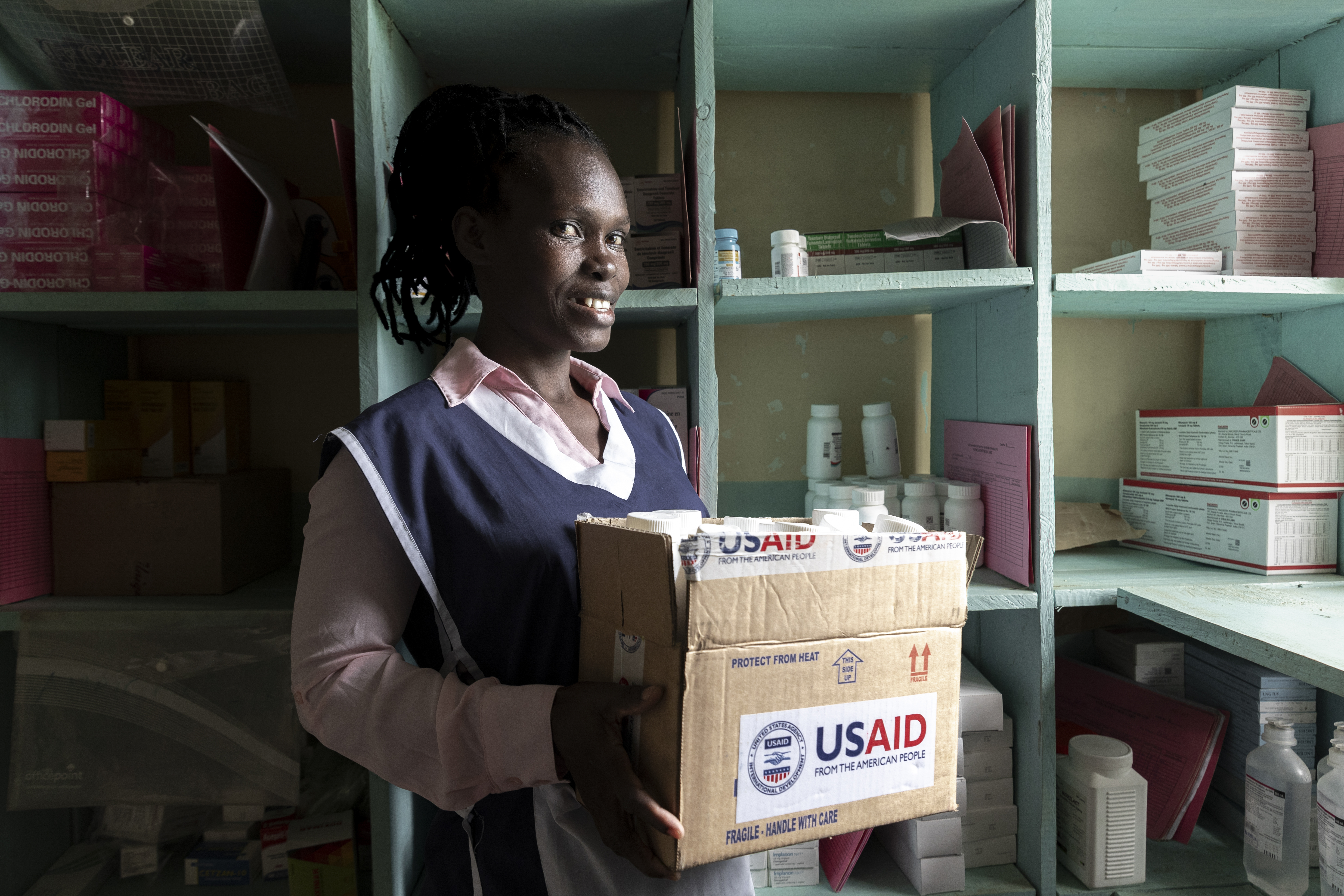
Funding cuts by the United States have had a severe impact on global organisations offering HIV treatment, according to a new report.
The report, issued on Tuesday by HIV charity amfAR, found that the cuts in funding by the administration of US President Donald Trump for PEPFAR (The US President’s Emergency Plan for AIDS Relief) had undermined HIV prevention and treatment across dozens of countries.
Organisations have been forced to shut clinics, cut staff and scale back services, it said, referencing a survey of 166 outfits across 46 countries that relied on PEPFAR funding.
“Disruption was incredibly widespread,” said Elise Lankiewicz, amfAR’s policy associate and co-lead author.
No part of the programme escaped unscathed, she said, including areas that the US administration had claimed it would protect.
More than 1,700 clinics closed, and more than 16,000 workers lost their jobs after awards were delayed or cancelled, according to the report.
About three-quarters of organisations stopped serving people most at risk of HIV, including sex workers, transgender people, gay men and people who inject drugs.
Children were hit hard too. PEPFAR-supported treatment reached about 77,000 fewer children in 2025, a 14 percent drop.
The US Department of State has disputed the findings, according to The Associated Press news agency. It claimed PEPFAR has grown “stronger” under clearer “strategic direction”.
Officials pointed to one-quarter of 2025 data showing treatment held steady.
However, researchers said that snapshot hides a bigger drop that only appears once a full year of data is combined.
The Joint United Nations Programme on HIV/AIDS (UNAIDS) has warned that if the cuts became permanent, the world could see 6.6 million more HIV infections and 4.2 million more AIDS deaths by 2029.
The US is not alone in pulling back on funding for AIDS and other programmes. France, Germany and the United Kingdom have also slashed foreign assistance, leaving humanitarian groups reeling.
UNAIDS lost about 25 percent of its funding last year, executive director Winnie Byanyima told AFP from the sidelines of the African Union health summit in Accra.
“There is a need for Africa to quickly adapt its systems for health in order to keep its people alive and to work towards health sovereignty,” Byanyima said, calling it “a moment of radical change” with no time to lose.
Africa carries the highest HIV burden of any region in the world.
Launched by President George W Bush in 2003, the US, through PEPFAR, is credited with saving more than 26 million lives worldwide.
